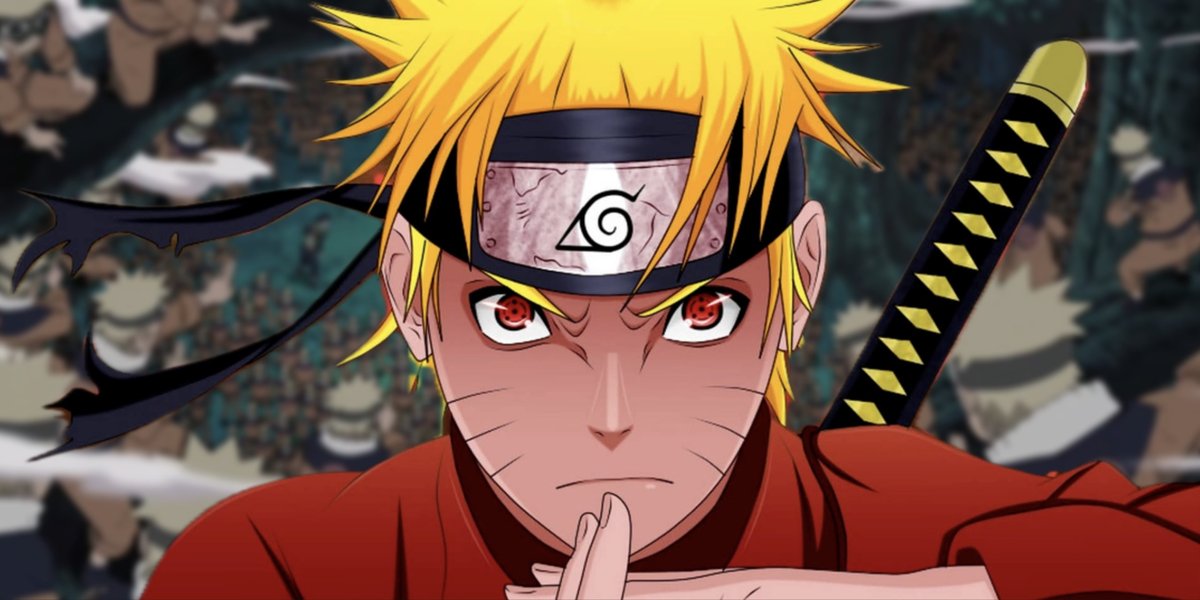
When you hear a title like "Naruto Uzumaki in Dandadan Explained," your mind might immediately jump to epic crossover battles or hidden Easter eggs from the ninja world. While the idea of Naruto Uzumaki gracing the chaotic, supernatural world of Dandadan is certainly intriguing, our deep dive today focuses on an even more fundamental mystery: the true nature and meaning of Dandadan itself, as revealed within its own compelling narrative. Based on the latest insights from the manga, particularly the pivotal Chapter 163, we're unraveling the intricate layers behind Yukinobu Tatsu's breakout hit, a series that has kept fans on the edge of their seats since its Shonen Jump debut in 2021 and its anticipated anime adaptation in 2024.
This isn't just a quirky title; it's the core of a much larger secret that the series is slowly exposing. From ancient mythology to cryptic linguistic clues, the true identity of "Dandadan" promises to be a game-changer for Momo Ayase, Okarun, and the fate of their world.
Unraveling the Enigma: What is Dandadan, Really?
At its heart, Dandadan plunges us into the bizarre adventures of high school students Momo Ayase, a firm believer in ghosts, and Okarun, an ardent occult fanatic. Despite their initially clashing views, fate intertwines their paths, forcing them to confront the terrifying realities of both extraterrestrial beings and restless spirits. Their journey is far from ordinary, involving Okarun's possession by the formidable Turbo Granny and Momo's unsettling encounters with aliens seeking to reproduce. Together, they form an unlikely duo, battling a plethora of supernatural entities while navigating the nascent feelings growing between them.
The series is a masterclass in blending horror, comedy, and action, but underpinning it all has been the persistent question: What exactly does "Dandadan" mean? For a long time, the title seemed to be a delightful enigma, a nonsensical jingle fitting the manga's chaotic energy. However, everything changed with Chapter 163, 'Saviors, Don't Be Late!', which gave us the first substantial hint, transforming a mere title into a central plot device. To truly grasp the scope of their adventures and dive deeper into their personal struggles and supernatural battles, explore the wild journey of Momo and Okarun and the vibrant cast of characters surrounding them.
Decoding "Dandadan": Mythological Roots and Hidden Meanings
The moment the antagonist, Count Saint-Germain, utters the phrase "Are you familiar with Dandadan?" in Chapter 163, the title shifts from abstract to integral. This question, posed after he manipulates the Fairy-Tale Card yokai, positions "Dandadan" as a major element in his grand scheme to collect and understand every mystery and enchanted object across the globe. This dramatic reveal immediately sent fans into a frenzy of speculation, leading to two prominent mythological interpretations, both supported by visual cues within the manga.
Echoes of Enlightenment: Dandadan and Buddhist Mandalas
One compelling theory suggests a profound connection to Buddhist mythology, specifically the Womb Realm Mandala (Taizōkai Mandala). The final panels of Chapter 163 reportedly feature this powerful symbol of universal enlightenment. This Mandala, one of two fundamental sets in Esoteric Buddhism, visually depicts Mahavairocana Buddha at its core, surrounded by other Buddhas and Bodhisattvas. Practitioners utilize it as a meditation tool to cultivate compassion and wisdom, aiming for a deeper understanding of the universe.
In this context, "Dandadan" is speculated to be an ultimate power—a solid, unyielding force that prevents different realities from merging and stops yokai and other otherworldly creatures from invading the human world. It could even be a creature of extraordinary might, something Saint-Germain desperately covets for its immense capabilities. To fully appreciate these intricate spiritual connections and understand how they might shape the series' future, be sure to check out the deep connections to Buddhist Womb Realm Mandalas.
Divine Authority and Destruction: The Hindu Weapon Theory
Another equally fascinating interpretation links "Dandadan" to Hindu mythology, suggesting it could be a powerful godly weapon. This theory also draws on visual cues, with Hindu mandalas appearing in the panels of Chapter 163. The key here lies in the repeated part of the title: "Danda." In Hindu tradition, a "Danda" refers to a godly scepter, a potent symbol of divine authority and, notably, destruction.
Under this captivating view, "Dandadan" isn't an abstract power but a tangible, legendary weapon poised to play a pivotal role in the unfolding narrative. Its emergence could very well signal the beginning of the series' final arc, a monumental clash where this ancient artifact holds the key to victory or ruin. For a closer look at these theories and their implications for the story's direction, delve into the intriguing theories linking Dandadan to powerful Hindu weapons.
Wordplay and Ghost Stories: The "Dan" Suffix
Beyond these profound mythological connections, there's a simpler, yet equally clever, linguistic speculation regarding the suffix "Dan" in Japanese terminology. "Dan" is frequently used to denote "story" in various Japanese words, such as "Kaidan" (ghost story), "Kidan" (strange story), or "Taiken-dan" (story of one's experience). Given Dandadan's unique blend of the strange, the supernatural, and outright horror, it's entirely plausible that the title itself is a clever wordplay, subtly hinting at a "strange ghost story." This interpretation adds another layer of brilliance to the title, making it a meta-commentary on the series' genre. To uncover all layers of linguistic and cultural nuances behind the title, unravel the enigmatic meaning behind the title Dandadan itself.
The Antagonist's Agenda: Count Saint-Germain and the Quest for Dandadan
The revelation of "Dandadan" as a concrete concept is inextricably linked to the series' enigmatic antagonist, Count Saint-Germain. This collector of ancient artifacts and paranormal mysteries isn't just a powerful foe; he's the catalyst who brings the title's significance to the forefront. His direct query about "Dandadan" underscores its importance in his grand agenda—to uncover, understand, and ultimately possess every mystery and enchanted object the world holds. His relentless pursuit of such power makes him a formidable threat, and his involvement in the series' climactic moments is all but guaranteed. Understanding his motives is crucial to predicting the future of the Dandadan universe. Discover more about the machinations of the antagonist, Count Saint-Germain and his quest for cosmic knowledge.
What the Future Holds: Dandadan's Role in the Series' Climax
The explicit mention and anticipated revelation of "Dandadan" are set to be a major turning point, pushing the series toward its dramatic conclusion. Whether it manifests as an ultimate power, a legendary mythological weapon, or even a formidable creature, its significance will undoubtedly drive the plot into its final, most intense arc. The resolution of Okarun's long-running "testicle arc," a quirky yet crucial personal journey for the character, further reinforces the idea that Dandadan is steadily approaching its concluding storyline.
This grand finale will likely revolve around a climactic battle for "Dandadan," a struggle that could decide the very fate of the world. Ideally, Momo and Okarun, with their growing powers and bond, will be the ones to ultimately obtain or harness this mysterious force or weapon, protecting the human world from antagonists like Saint-Germain.
As of the current manga chapters, the precise meaning and comprehensive role of "Dandadan" remain officially shrouded in mystery. However, with every passing chapter, fans are edging closer to a groundbreaking reveal that promises to reshape everything we know about this incredible series. The anticipation is palpable, and the final chapters are sure to deliver an unforgettable climax, answering the ultimate question that has captivated us all.